Bullish producers in a Bearish world.
Los informes de mercado se publican únicamente en inglés. El resto del sitio sí está disponible en su idioma.
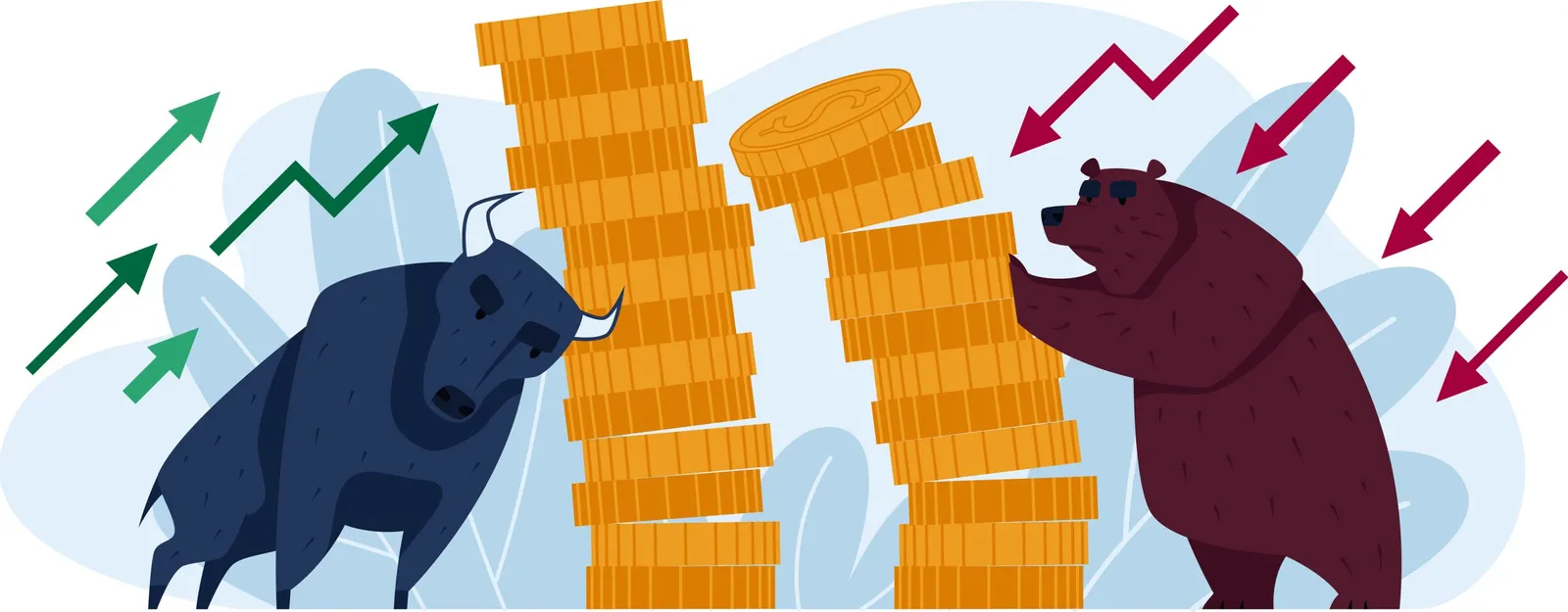
Another quiet day without much movement on commodities in Europe. But looking at the international markets we can see the market starts to feel heavier every day. With a bearish GDT for all commodities and with lower trades on futures on the CME, the international dairy market doesn't feel firm. In the midst of all this bearishness, the EU dairy market does continue to feel stable. Speaking to producers we even got a bullish feeling, but can the EU dairy market trade opposite of what we see in the rest of the world?
When looking at other commodities we see a clear signal that the economic activity in the world starts to slow down, and dairy usually follows these trends. Lumber is down 59% YoY, Rubber is down 24% YoY and Cotton is down 39% YoY. Looking at the metals we see Lithium down 39% YoY, Titanium 38%, and Steel down 15% and copper down 15%. Aluminium is down 34%, Tin is down 45%, Zinc and Nickel are down roughly 27%
Looking at the food commodities we see palm oil down 36% YoY, Oats down 50%, Sunflower Oil down 55% and Rapeseed down 55% as well. Wheat is down 37% and Soybeans roughly 13%. The biggest increase we see in eggs which are up 114% YoY and Orange Juice is up 65% on last year. Correlations of the past are no guarantee for correlations tomorrow. But the strongest correlation we know for dairy is that of the price of oil compared to the milk price. At the moment that price action doesn't provide any positive signals for the dairy market.
GDT Down Again: Bearish
Looking at the GDT result we see all commodities are down. Cheese especially took a big hit again with -10%. Butter and AMF are now trading 3.8% and 3% lower compared to the last event. This puts butter at a euro equivalent price of € 4400, so on the exports market the EU will have a hard time winning bigger contracts. Looking at the powders we see that SMP price traded 3.5% lower. EU Arla products traded down to € 2450 equivalent prices. This is well below the EEX futures, but exactly on the level where we see market interest.
End-User Demand: Bearish
Speaking to the end users we work with we see the same bearish picture. Apart from a few partners who claim to have steady to more sales, we hear demand across all products is down a lot. Retail demand for cheese and butter is down a lot, and we are now starting to compare negative numbers against the negative numbers of last year. Most lockdowns last year ended in December and January across Europe. So we aren't comparing retail data against a strong COVID year.
But also companies that supply the chocolate industry are getting much less demand. Internationally these companies see their turnover shrink due to higher prices and consumers watching their spending. Speaking to one of our partners in the bakery industries, they also start to notice lower demand from retail and food service.
Those end-users who have long-term contracts with their buyers seem to have covered most of their open demand. Most explained their forward buying strategy because the cost price of cheese, butter and SMP has been put on a much higher level compared to the current market. But we do think a lot of these buyers have bought the majority of their needs for the mid-long term.
Producer Supply: Bullish
But we have to admit, talking to suppliers we also see a bullish side of the market. Most producers claim to have had strong sales and most don't seem to be under too much pressure to sell anything. And selling forward at the lower prices the market expects (or wishes for) makes no sense for any of our producing partners. Because every sale at the market levels means a big loss as the payout price for milk is still above 50ct for most.
And then there is the issue of production capacity. Some claim that even if they would be able to source cheaper raw materials, they do not have the ability to produce additional cheaper commodities.
From a supplier's perspective, we can't find any reason for them to sell forward at lower levels, other than that they would speculate on lower prices. But speculation is not a quality most boards of these coops look for in their sales departments. We expect most producers to continue to follow the spot market. In this strategy lies the danger that in the next 6-10 weeks the milk flush will push all sellers at the same moment in the market (as we have seen in December and January). Put this against the fact that most buyers seemed to have finished most of their Q2 purchases, we are a bit scared of the sales pressure that might come.
Conclusion: More Bearish than Bullish
Our conclusion remains the same, these word market conditions don't predict much good. We do think producers might keep the market firm in Europe for a few more days/weeks with their strategy. We do however expect a point where we will see more sellers than buyers, putting prices under pressure. For the second part of this year, the question mark remains very very big!
Más desde la mesa
Our Long View Before Our Long Break 
Our Long View Before Our Long Break
Last week the market found a bit of stability. After lower trades on cheese, the cheese market traded slowly up, although a real rally remains absent. Butter prices did dip a bit further, although at the start of this week we see some strength on the back end of the curve. And on powder, our bullish feeling just doesn't go away — and now we can find some confirmation in the market as well.
Dairy Carry Has a Shelf Life 
Dairy Carry Has a Shelf Life
Last week was bearish across the board — every product we broker leaned the wrong way. Powders lost more momentum, cheese slipped well below €3,000 for some products, and butter continues to impress with just how much keeps showing up. Supply, supply, supply.
Summer Shopping or Summer Sale? 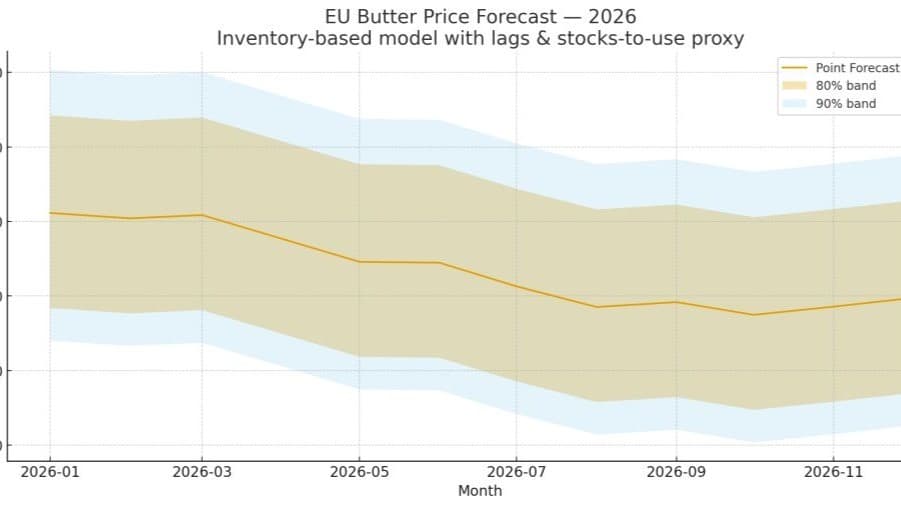
Summer Shopping or Summer Sale?
Last week was again a bit of a bearish week for the entire dairy industry. With cream prices under pressure and milk intake still strong, we keep seeing a market that has more supply than demand. Butter prices took another step lower, cheese prices cracked, and the powder market gave back a bit of its gains again.
El informe semanal
Recíbalo antes de que esté en cualquier otro sitio
Cada informe de mercado, directo a su bandeja de entrada en cuanto se escribe. Mantequilla, queso, polvo, líquidos — elija lo que realmente negocia.
Aproximadamente semanal · Gratis · Baja cuando quiera