Facts v.s. expectations
Raporty rynkowe ukazują się wyłącznie po angielsku. Pozostała część serwisu jest dostępna w Twoim języku.

Apologies for the later update than you are used from us, but yesterday our entire day was occupied with interesting presentations, panel discussions, risk management lessons and most of all interesting face-to-face conversations. During the StoneX event in Amsterdam, we met with a lot of our partners and it was good to debate the current market, its sentiment and the outlook. Overall we draw the following conclusions
"Bears have facts, Bulls have expectations."
Please note that this will be our last update and we will be back on the 15th of May with our daily updates. We probably will update you if we have any new insights. In the next 3 weeks, we will be travelling with limited access to email and phone. But we will be reachable by whats app.
We will try to explain what we mean by going over the several elements of the market
1. Milk Production
Milk production worldwide is up. Big-producing areas like the US, NZ and the EU are all showing bigger output numbers compared to the year before. So it's a fact that there is more output (at the moment). During the presentation, but also in our discussions, the overall expectation is that a lower milk price eventually can lead to lower milk collections, but there is a wide range on when milk volumes might drop. In the last months those who were bullish, expected the milk to dry up in Q3, but general consensus now is pointing more to the end of Q3. One of the panellists yesterday also made the remark that some farmers might need to push out more milk, to keep their liquidity steady in the companies, keeping milk production steady for the full 2023. In addition, Chinese milk output (if we thrust their numbers) is growing at an incredible pace, suggesting a part of consumption might get filled more and more by domestic production. With an output growth of +10% in recent months even a slowdown in growth will still outpace the demand growth.
The conclusion from our side on milk production: The world is facing more milk compared to last year, already for a few months. It's likely these surpluses will stay around for the next 2-4 months, after that it is hard to predict. But those who see more milk as a bearish signal for prices have the facts on their side, those who think less milk will drive up prices, need to wait patiently for milk collection to fall.
2. Consumption/Demand
Inflation is a fact, and that it impacts demand is a fact as well. How much it impacts demand always is a big debatable subject as numbers about consumption usually follow late. We have to rely on anecdotal stories and historic trends. The data that is out there is pointing to a slowdown in demand. Imports from China are a clear example, but retail figures from Germany, France, and Holland are all point to negative impacts on dairy demand. We hear some delays in offtake as demand is slowing down, and we stocks are being taken from month to month! We think it's safe to say that high inflation and an uncertain economic outlook are bad for consumption. Bears have the facts on their side on how good demand is.
But Bulls can argue that Chinese demand is expected to be up! Some analysts predict a soft landing of the economy, and inflation headlines are slowing down a lot! If inflation can be controlled and economies can start to look at growth again, this might feed a more positive sentiment among consumers. But again, the bulls have expectations, but it's not certain when demand will pick up again.
The Conclusion from our side about demand is that we know orders are being pushed back, exports are down and retail sales are suffering. We also know that these negative trends always reverse when nobody expects them, but we have to wait until we see a reversal. But again, the bears have the facts to support their market view, the bulls have their expectations.
3. Stocks
Stocks are high. In yesterday's discussion, we heard from several partners that warehouses in Ireland, the UK, The Netherlands and Belgium are full! Finding warehouse space is getting more difficult. A well-known warehouse in the Netherlands is Jonker & Schut, yesterday we heard from multiple sources they are 95% full and need the remaining 5% for their flexibility. Freezing houses have less capacity available and we have had several traders telling us that it was hard finding storage space in the last week. Bears will point at the stock levels and will argue that this keeps pressure on the market for a long time.
Our more bullish partners do argue that most of these goods have been sold so will not have to be brought to the market anymore. These goods are used for cash-and-carry trades and will find a home in the months to come. We think the bulls, in this case, are right, the only question we would ask them is if the buyer for these goodwill returns for the fresh products later in the year. Or is their demand fulfilled?
On this one, we know the warehouses are full for a fact, but we are not certain about the place it takes in the whole supply/demand scene. If these goods are used for cash-and-carry, it does explain the huge contango in the market. Storage cost, + transport + financing now add a lot more to this strategy than they did in the past.
Looking at the market we think that yesterday's gathering of dairy professionals to learn and talk about more risk management is the perfect example of how to look at the dairy market. We all know what we see in front of us, and most of us know how to trade the month we are in. But looking 2-4 or even 12 months ahead, the world is filled with uncertainties, ifs, maybes, and probabilities, but also with surprises, crises and political influences. That is why Risk Management is so important!
Our short-term outlook remains bearish, and in our mid-term outlook, we are bearish as well. If there are no major surprises or external events we even believe the dairy market will trade in a range of today's prices with a 10% up and down bandwidth. Extreme price changes will only come next year or when an unforeseen event appears.
Więcej z parkietu
The Bull, The Bear & The Black Swan 
The Bull, The Bear & The Black Swan
Last week was an intense one. When conflict erupted in the Middle East, the market's first instinct was to buy. Partners moved quickly on available offers, and by Tuesday the GDT had rallied alongside a broad bullish swing across agricultural commodity markets world wide. For a moment, it felt like the market had made up its mind. The second half of the week told a different story.
The Bull, The Bear and the Fairy Dust 
The Bull, The Bear and the Fairy Dust
After another active week of trading and yet another slide in prices, we started preparing this week’s report. But beyond concluding that the market remains bearish, there are countless ways to tell the same story: more milk, more stock, slower demand, lower prices. You know the drill. So this week, we’ll skip the usual summary. Those who know us well know we have two children — Lina and Ollie.
The Five Phases of a Buyers Grief 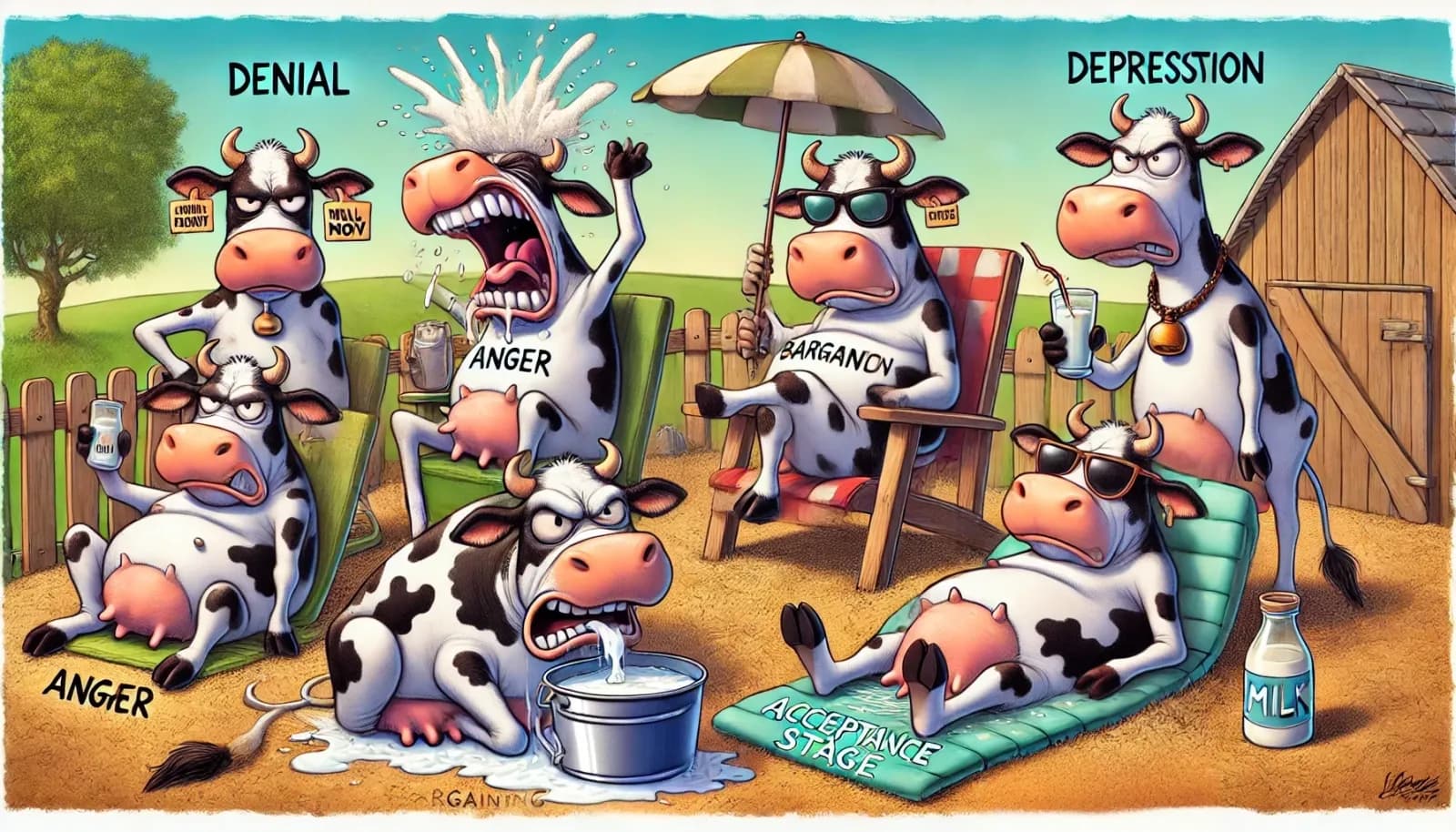
The Five Phases of a Buyers Grief
Yesterday, the market continued its bullish trajectory, driven primarily by surging spot prices for liquid products. With raw milk prices averaging €0.65, SMC prices reaching €2,550, and cream prices breaking records at €10,000 to €10,250, it’s evident that processors are fiercely competing for raw materials. This has left minimal supply available for commodity production.
Raport tygodniowy
Miej go, zanim trafi gdziekolwiek indziej
Każdy raport rynkowy prosto na Twoją skrzynkę, gdy tylko powstanie. Masło, ser, proszki, produkty płynne — wybierz to, czym naprawdę handlujesz.
Mniej więcej co tydzień · Bezpłatnie · Rezygnacja w każdej chwili