Securing Supply = Securing your future
Marktrapporten verschijnen alleen in het Engels. De rest van de site is wel in uw taal beschikbaar.
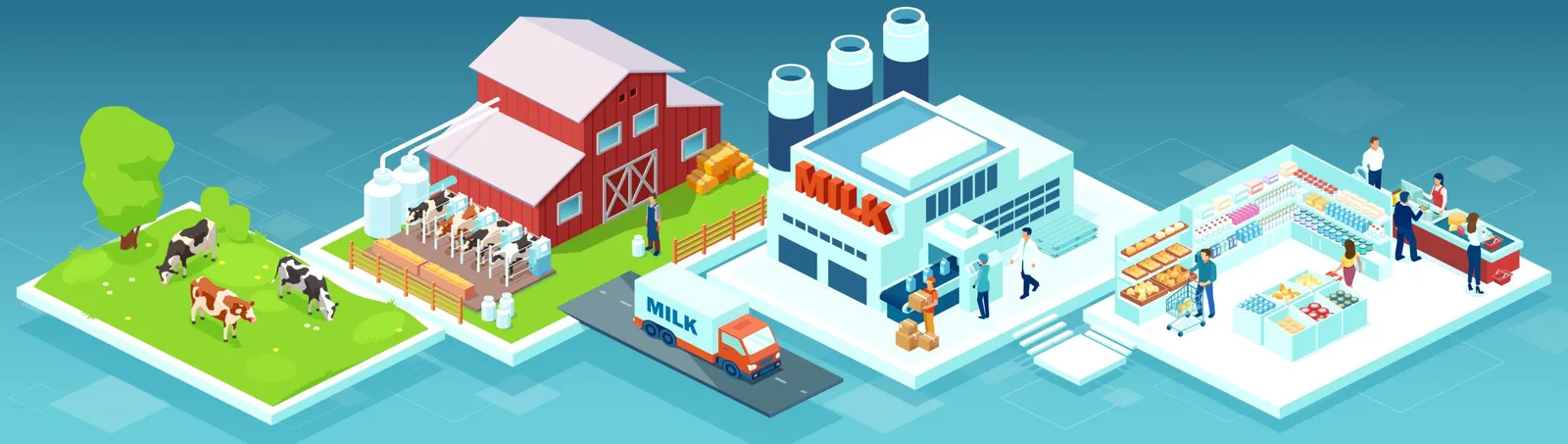
A little more than a year ago the key to being successful in the dairy market seemed to be the ability to secure a steady flow in your supply chain. Because with a growing population, growing demand and stronger regulations on milk production, ensuring your supply seemed to be the most important for traders, end users and producers. Big disruption in the supply chains also learned us that assuming products would be always around was a mistake. Covid, the war in Ukraine and the energy crisis showed how fragile our system is. Just in Time strategies might have been cost-efficient for modern companies, but once supply routes broke, it also showed how exposed to production delays some companies were who applied that strategy.
To be without supply was very costly, so securing sufficient supply became key in the previous months and therefore companies were willing to pay big premiums for cheese, butter and SMP. To be able to supply these commodities producers were able to attract farmers with a high milk price and for a while, the market seemed to assume that these new high prices were here to stay. Companies were keeping bigger stocks just in case a new supply issue would arise that they did not foresee and ties between suppliers and buyers got strengthened again. They all seem like healthy strategies in a world where the population is still growing and governments are putting limits on production and supply. And honestly, we still believe that these strategies will be key in surviving long-term in this market.
Producers will have to do everything they can to keep the farmers they have happy. Being a farmer isn't getting more attractive with EU regulations growing and the sentiment among the general population turning on the farmers as being bad for the environment and animal welfare. Traders and end users will have to think of ways of how to secure a steady flow of products to their facilities, as they will also see the effects again of a shrinking supply pool, and a growing demand side.
But the short-term effect seems to be that we overshot the goal a bit. The market did not foresee the economic headwinds the world is facing as well due to high energy prices and the war in Ukraine. Inflation might be slowing down in general, food inflation is at its peak (or still going to its peak) and it is hurting demand. And the incentive the market is giving to farmers seems to be a bit to big as production now outpaces demand. A side effect of the high inflation is they quickly rising interest rates. Producers and End users who were keeping a bit extra "safety" stock, are now faced with high financing cost. And some need to value their current stock against the current market value and have to write of 40% in their books.
The negative effects of securing supply are now all we see, and it is causing the market to trade back to the long-term average prices. In the next few months, we even think we might go back to the downside of the long-term bandwidth for dairy commodities as demand isn't expecting to turn up suddenly, and supply isn't going to be stopped in the short term, both even might get a bit worse (less demand, growing supply). The lower end of the dairy commodity bandwidth prices seems to be roughly: € 3300,- for butter, € 2400 for cheese and € 2000 for SMP. If and how long we will see these prices we can not predict, but in our analysis, it does not seem unlikely 2023 will be a great year for those who supply the market with the white liquids we love so much.
But our advice to all who started to look at their supply security since the last year would be to hold on to your supply partners. Try to figure out how to get to this bearish market and how to build a partnership that will help you further in the future. Because short-term market dynamics might be that we are faced with oversupply, long term we are 100% sure that supply is going to be an issue again that we need to tackle as a market.
Meer van de desk
The Bull, The Bear & The Black Swan 
The Bull, The Bear & The Black Swan
Last week was an intense one. When conflict erupted in the Middle East, the market's first instinct was to buy. Partners moved quickly on available offers, and by Tuesday the GDT had rallied alongside a broad bullish swing across agricultural commodity markets world wide. For a moment, it felt like the market had made up its mind. The second half of the week told a different story.
The Bull, The Bear and the Fairy Dust 
The Bull, The Bear and the Fairy Dust
After another active week of trading and yet another slide in prices, we started preparing this week’s report. But beyond concluding that the market remains bearish, there are countless ways to tell the same story: more milk, more stock, slower demand, lower prices. You know the drill. So this week, we’ll skip the usual summary. Those who know us well know we have two children — Lina and Ollie.
The Five Phases of a Buyers Grief 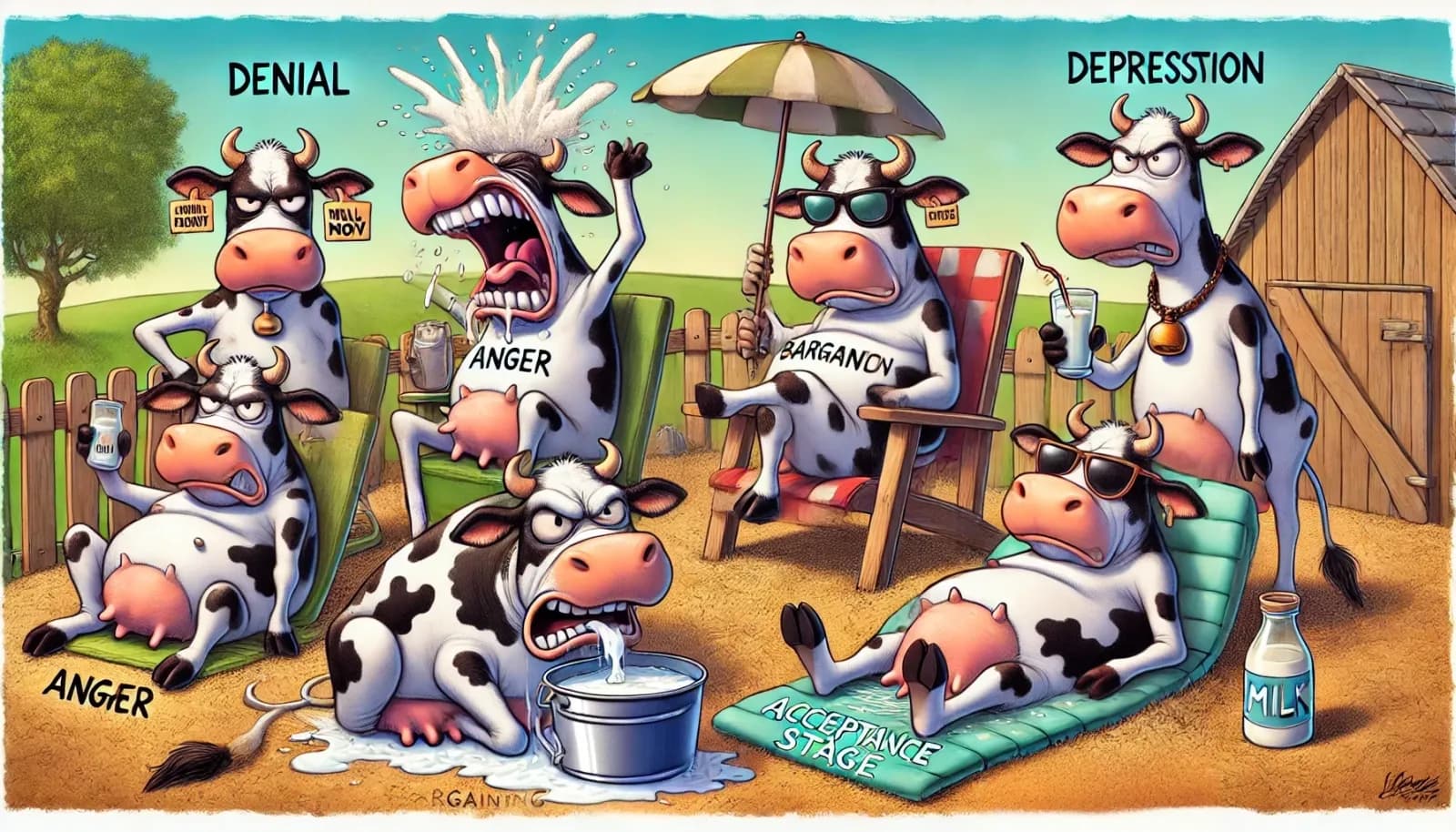
The Five Phases of a Buyers Grief
Yesterday, the market continued its bullish trajectory, driven primarily by surging spot prices for liquid products. With raw milk prices averaging €0.65, SMC prices reaching €2,550, and cream prices breaking records at €10,000 to €10,250, it’s evident that processors are fiercely competing for raw materials. This has left minimal supply available for commodity production.
Het wekelijkse rapport
Krijg het voordat het ergens anders staat
Elk marktrapport, rechtstreeks in uw inbox zodra het geschreven is. Boter, kaas, poeder, vloeibaar — kies wat u daadwerkelijk handelt.
Ongeveer wekelijks · Gratis · Altijd opzegbaar