Pressure on Proteins
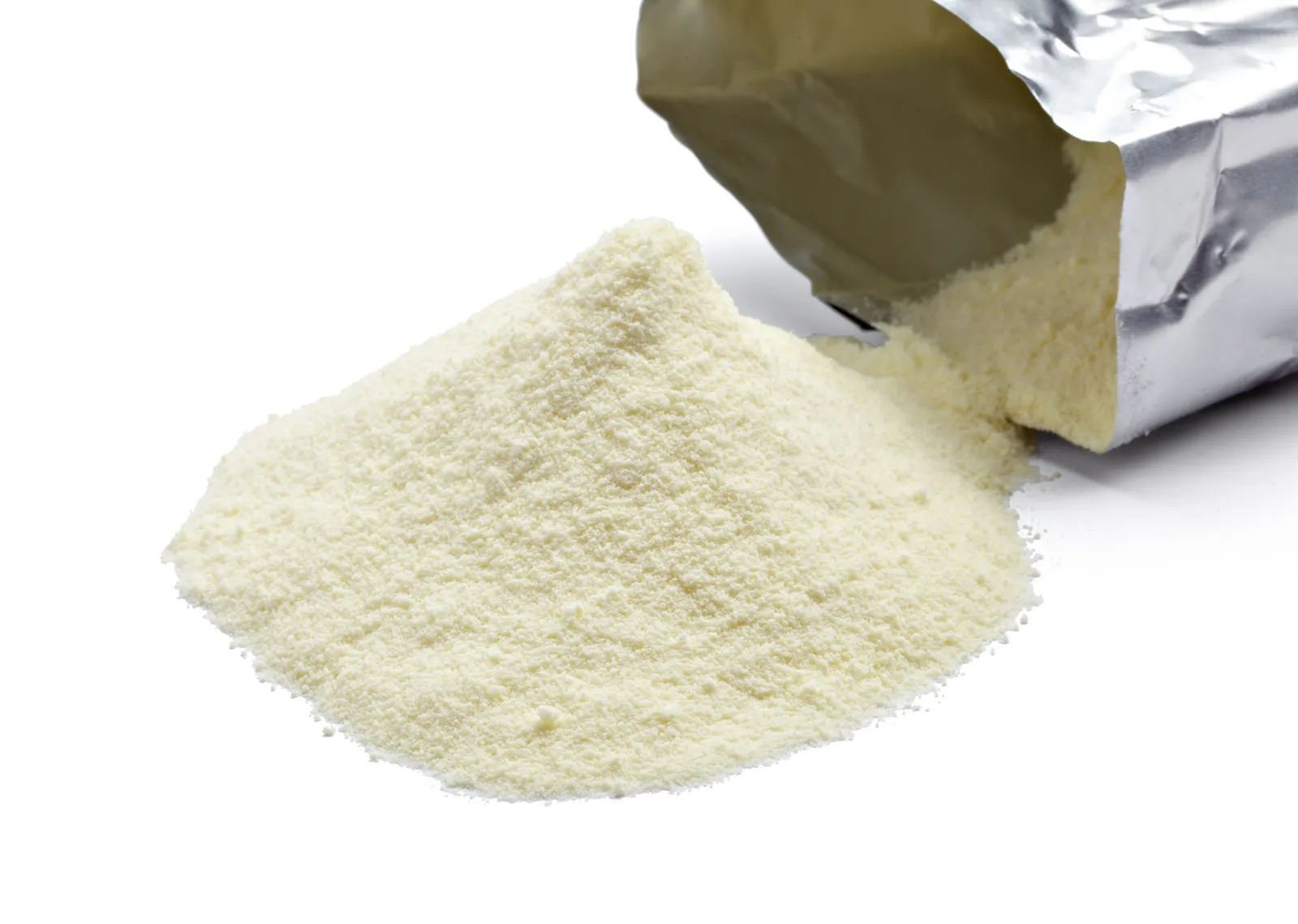
Yesterday marked a different day for a change, witnessing a shift with more trades involving protein rather than fat. The protein market is under increasing pressure due to more affordable skim milk concentrate (SMC), higher milk volumes, limited export opportunities, and reduced internal EU activity. Fresh product sellers are also presenting slightly lower offers, though the challenge lies in aligning them swiftly with the bids. Conversely, the fat market appears relatively stable, giving both buyers and sellers a breather after last week's rollercoaster.
Market news has been relatively scarce, but notable was Friesland Campina's slight increase in contract milk prices, widening the gap between spot market and contract prices. We anticipate other cooperatives following suit, reigniting concerns about the sustainability of these payout prices for some coops without a significant uptick in commodity prices.
Discussions with our partners consistently circle back to the same debate: the state of demand (which, in our view, isn't dire in the EU but poses global challenges) and the robustness of supply. Currently, the supply side appears comparable to last year, but the forecast is up for debate. Indicators suggest a potentially better milk production year in the EU, exerting additional pressure on commodities. The question is how, where and when this pressure will be visible.
The surge in cheese factory constructions in recent years implies that most of the surplus milk will be directed towards cheese production. Consequently, cheese prices don't seem poised for a significant upward trajectory, especially during the milk peak, and increased milk production hints at a rise in whey products. Coupled with the subdued export outlook for skimmed milk powder (SMP) and global pressures, it appears likely that protein prices will decrease.
The most promising development could be observed in (butter)fat prices, with a chance to gain momentum. Anticipating a decrease in milk directed to butter production, a decline in production is expected. The EU began the year with lower stocks, and the initial months reflected reduced production. To maintain a stable milk price of around 45 cents and counter pressure on cheese and proteins, the fat market must support the milk market to safeguard the gains in milk intake from previous months.
More from the desk
Our Long View Before Our Long Break 
Our Long View Before Our Long Break
Last week the market found a bit of stability. After lower trades on cheese, the cheese market traded slowly up, although a real rally remains absent. Butter prices did dip a bit further, although at the start of this week we see some strength on the back end of the curve. And on powder, our bullish feeling just doesn't go away — and now we can find some confirmation in the market as well.
Summer Shopping or Summer Sale? 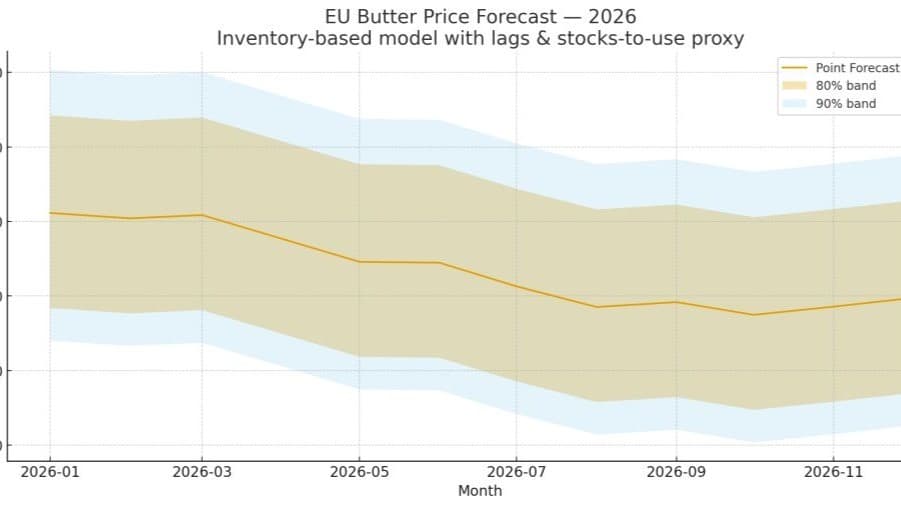
Summer Shopping or Summer Sale?
Last week was again a bit of a bearish week for the entire dairy industry. With cream prices under pressure and milk intake still strong, we keep seeing a market that has more supply than demand. Butter prices took another step lower, cheese prices cracked, and the powder market gave back a bit of its gains again.
The Agro Gravity Effect 
The Agro Gravity Effect
Last week was a strange week from our side. With relatively low activity and a lot of customers on the move due to Eucolait, activity came as quickly as it went away again. Tuesday's GDT put the market on hold, but when the results came out, a bit of downward trading occurred. The same went for Eucolait.
The weekly report
Get it before it is anywhere else
Every market report, straight to your inbox the moment it is written. Butter, cheese, powder, liquids — pick what you actually trade.
Roughly weekly · Free · Unsubscribe any time